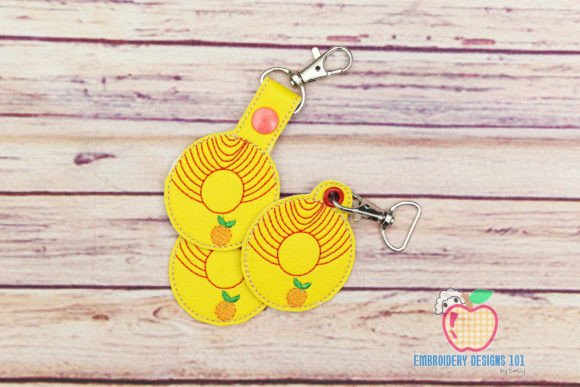
Because Teachers Can’t Live on Apples: A Whimsical Embroidery Design for Every Occasion
Embroidery has long been a beloved craft, offering a unique way to personalize clothing, home decor, and more. But what happens when you want to add a touch of charm that’s both playful and meaningful? Enter “Because Teachers Can’t Live on Apples”, a fun and whimsical embroidery design that brings a smile to any project. Whether you're stitching it onto t-shirts, towels, or even throw pillows, this design is perfect for adding personality and flair with ease.
This machine embroidery design isn’t just about aesthetics—it’s also about practicality. With multiple file formats and compatibility across various embroidery machines, it’s an accessible option for both beginners and seasoned crafters alike. However, like any creative tool, there are some common pitfalls that can affect the final outcome. Let’s explore how to avoid them and make the most of this charming design.
What Is “Because Teachers Can’t Live on Apples”?
Because Teachers Can’t Live on Apples is a lighthearted embroidery design that plays on the classic phrase, “A teacher can’t live on apples alone.” It’s a humorous nod to the idea that while teachers may be given apples as tokens of appreciation, they need much more than that to thrive. This design captures that sentiment in a fun and visual way, making it ideal for educators, students, or anyone who wants to add a bit of humor to their projects.
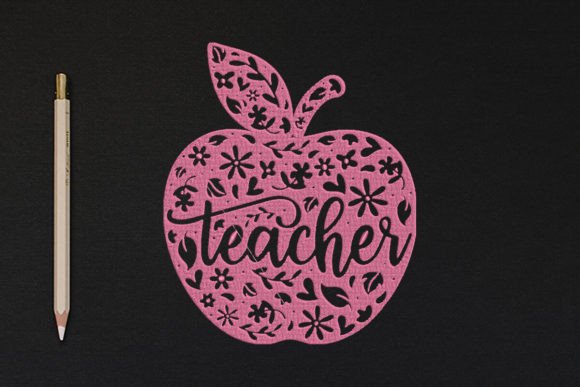
The design itself features a stylized apple and a small, smiling figure—perhaps a teacher or a student—holding it. The simplicity of the design allows it to stand out on a variety of fabrics without overwhelming the eye. Its versatility makes it a great choice for personalizing everyday items.
Common Mistakes and How to Avoid Them
While Because Teachers Can’t Live on Apples is easy to use, there are a few mistakes that can lead to less-than-ideal results. Here are some of the most common ones and how to avoid them:
- Misreading the File Formats: The design comes in multiple file formats, but not all machines support every format. Before downloading, check your machine’s specifications to ensure compatibility. If you’re unsure, reach out to the seller or manufacturer for clarification.
- Ignoring Fabric Type: Not all fabrics are created equal. While this design works well on cotton, t-shirts, and towels, it may not look as crisp on stretchy or thick materials. Choose a fabric that complements the design and allows the stitches to hold their shape.
- Incorrect Stabilizer Use: Using the right stabilizer is crucial for achieving clean, professional-looking stitches. Too little, and the fabric might pucker; too much, and the embroidery could appear stiff. Always follow the manufacturer’s recommendations for stabilizer type and amount.
- Overlooking Design Placement: Where you place the embroidery can significantly impact the overall look. Consider the size and scale of the item you’re working on. A large design on a small towel might overwhelm it, while a small design on a large shirt might get lost. Experiment with placement before committing to a final stitch.
Realistic Examples and Better Approaches
Let’s say you’re planning to embroider this design onto a child’s t-shirt. You download the design in .dst format, assuming it will work with your machine. However, after trying to load it, you find that your machine doesn’t support that format. To avoid this, always double-check your machine’s supported file types before purchasing or downloading any embroidery designs.
Another example: You decide to stitch the design on a thick, woven blanket. Without proper stabilizer, the embroidery puckers and looks uneven. In this case, using a cutaway stabilizer underneath the fabric would provide better support and help achieve a smoother finish.
What to Check Before Making a Decision
Before investing time and resources into using Because Teachers Can’t Live on Apples, there are a few key things to consider:
- Machine Compatibility: Ensure that the file formats included match your embroidery machine’s capabilities. Some machines require specific formats like .pes, .jef, or .exp.
- Design Quality: Look at high-resolution previews of the design to ensure it’s detailed and clear. Poorly designed files can result in blurry or distorted embroidery.
- User Reviews: Read reviews from other users to see if they had any issues with the design or its application. This can give you insight into potential challenges and how others have overcome them.
- Support and Resources: Choose a seller that offers good customer support and additional resources, such as tutorials or troubleshooting guides. This can be especially helpful if you’re new to machine embroidery.
By taking these steps, you’ll set yourself up for success and minimize the risk of frustration or wasted effort.
Why This Design Stands Out
What makes Because Teachers Can’t Live on Apples special is its balance of charm and functionality. It’s not just another generic embroidery design—it tells a story, adds personality, and connects with people on a deeper level. Whether you’re creating gifts for teachers, personalizing your own wardrobe, or adding a whimsical touch to your home, this design has something to offer.
Its versatility also means it can be adapted to fit a wide range of projects. From small patches to larger home decor pieces, the design remains recognizable and appealing. And with the multiple file formats provided, it’s easier than ever to get started, no matter what kind of machine you own.
In the world of embroidery, where creativity meets craftsmanship, Because Teachers Can’t Live on Apples is a delightful addition to any collection. By being mindful of the details and avoiding common mistakes, you can create beautiful, lasting pieces that reflect your personality and style.